What The Science Says About Non-Nutritive Sweeteners, Your Microbiome, and Weight Loss
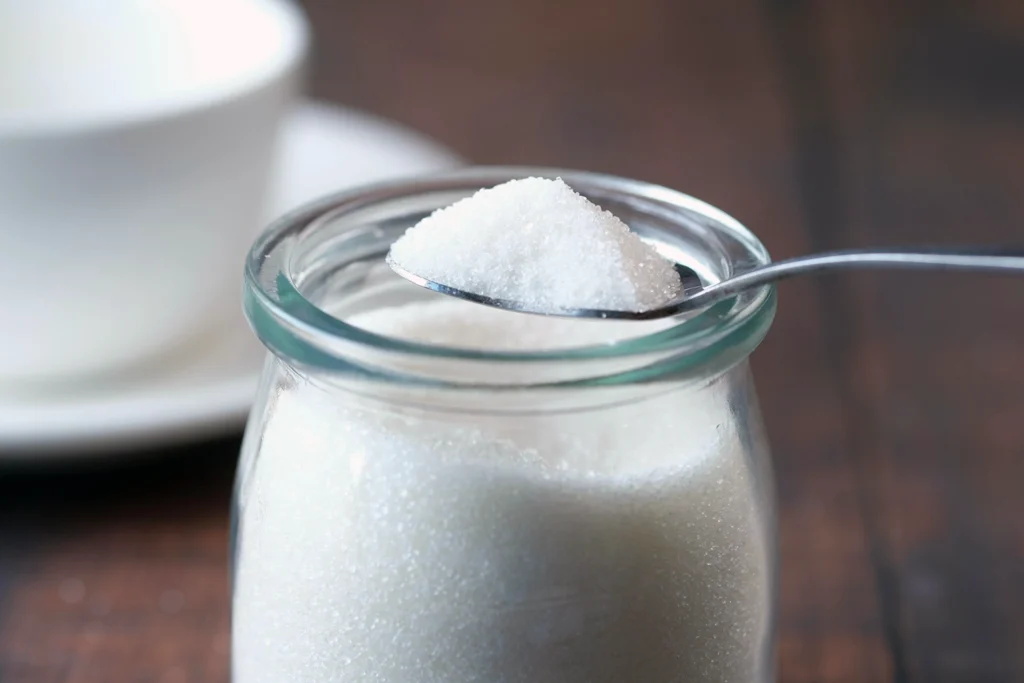
A major year-long study tested whether modern sweeteners can actually help break the cycle of weight regain, and the outcome may surprise you.
A Revolutionary New Way To Treat Menopause Symptoms – Targeting The Microbiome

Why do some women sail through menopause while others are blindsided by symptoms? The answer may not be in your ovaries — it’s in your gut. A specialized community of gut bacteria called the “estrobolome” can actually recycle estrogen back into your bloodstream, potentially buffering the hormonal crash of menopause. And unlike your ovaries, your microbiome can be changed — starting with what you eat.
Why So Many Mental Health and Brain-Gut Disorders Overlap

A massive Nature study of 1+ million people shows that depression, anxiety, bipolar disorder, schizophrenia, and even gut-related conditions share common genetic pathways — challenging how we think about diagnosis and treatment.
What is a Healthy Gut Microbiome and How Can I Get One?
A landmark study of 34,000+ people reveals why the same diet can lead to wildly different health outcomes — and how your gut microbiome may predict metabolic disease risk better than traditional blood tests.
How the Brain Quietly Reinvents Itself from Birth to Old Age

New brain-imaging research reveals that the human brain doesn’t age gradually, but rather shifts through four distinct turning points that quietly reshape how we think, learn, and adapt across life.
The Skin And The Gut Have More In Common Than You Think

Discover why your gut, not just your skincare routine, may be the real key to healthier, younger-looking skin.
The Symphony of Health – How Small Daily Choices Create Big Transformations

Discover The Mayer Model – a new way of thinking about health that replaces quick fixes with harmony. By aligning sleep, movement, nutrition, mindfulness, and purpose, you can awaken your body’s natural rhythm and build lasting resilience from the inside out.
Meet Glutathione, the Molecule That Keeps You Young and Resilient

Your body’s most powerful antioxidant isn’t found in a supplement, it’s built inside your cells. Discover how glutathione protects your brain, liver, and mitochondria from oxidative stress and aging.
How to Live to 117: Lessons from the World’s Oldest Woman

When Maria Branyas Morera passed away in August 2024, she was 117 years old, the oldest living person on Earth. Unlike many of us imagine old age, she didn’t spend her last years bedridden or cognitively impaired. She read books, gardened, played piano, enjoyed yogurt and olive oil, walked daily, and kept the company of friends and dogs. Her life was quiet, but her healthspan, the years she lived free from major disease, was extraordinary.
What the Experts (Not the Politicians) Have to Say About the Rise and the Causes of Autism Spectrum Disorders
Recent headlines have raised questions about whether autism is truly on the rise, what’s driving the increase in diagnoses, and whether environmental factors, vaccines, and Tylenol (acetaminophen) are to blame. Let’s take a look at what the experts & the science say.
Microdosing GLP-1 Drugs: Hope, Hype, and the Search for Healthy Aging

GLP-1 drugs like semaglutide have transformed diabetes and weight-loss care, but a new “microdosing” trend is sparking controversy. Are tiny doses a breakthrough for healthy aging or just hype? Explore what the science really says.
Is Quantity or Variety of Fruits and Vegetables More Important?
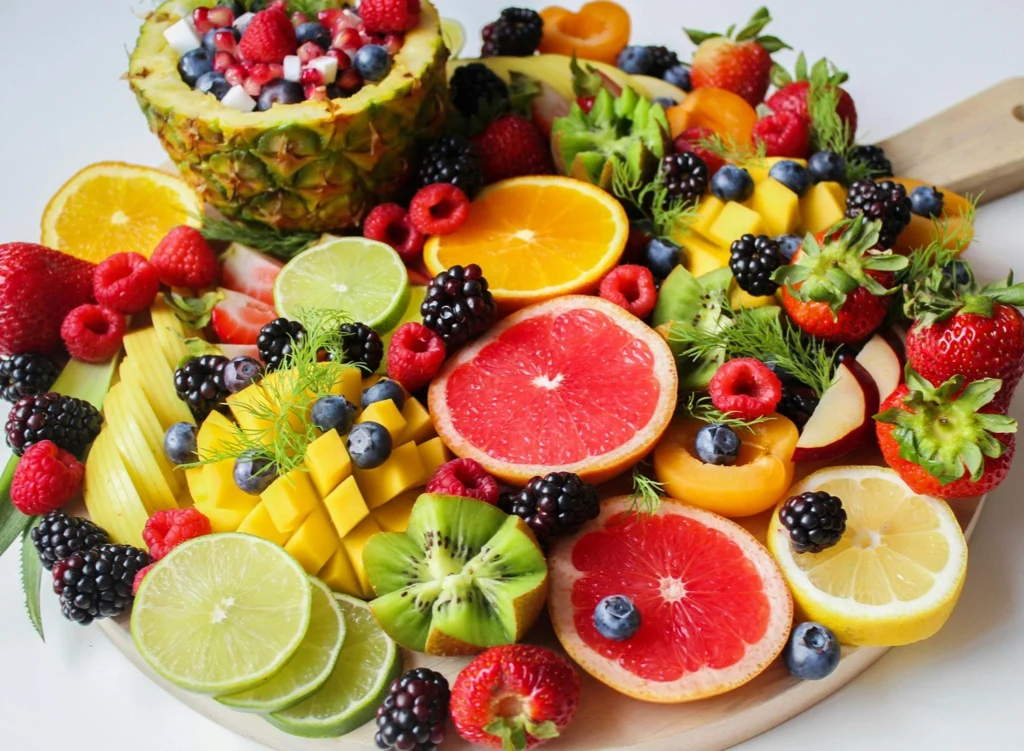
Is it better to eat more, or more types of fruits of vegetables? Discover why quantity and variety both play crucial roles in your long-term health.
Invisible Invaders: The Story of Microplastics Inside Us

Microplastics are in our oceans, food, and bodies. Discover how they get inside us, their potential health effects, and ways to reduce exposure.
Why Do We Gain Weight As We Get Richer? A Groundbreaking Study Busts Myths About Obesity and Energy Use

A groundbreaking study challenges myths about obesity and metabolism, revealing how rising wealth and energy use may influence unexpected weight gain patterns.
How the Gut Microbiome and Brain Team Up to Build Resilience to Stress

Discover how your gut microbes influence brain chemistry, stress resilience, and mood – and why nurturing this connection can boost mental and physical health.
The Link Between Stress and the Gut Microbiome

Making Our Children Healthy Again: What’s Going Wrong – and How We Can Fix It

Debunking the SIBO Hype: Why Breath Tests May Be Misleading

What Does “Healing Your Gut” Actually Mean?

The Truth About Happiness – It’s All About Connectedness

Confirming The Link Between Autism Symptoms, Gut Microbes and The Brain

The Sweeter Side of Big Food: Real Change or “Greenwashing?”

One of the stated goals of the “Make America Healthy Again” (MAHA) movement is to improve the quality of the American diet, including removal of UPFs from our food supply, but the success of this movement in a climate of hostility for any regulation in the production and processing of our food will need to be seen.
The Science Behind Diet and Fertility

As if we didn’t have enough challenges dodging all the social media chatter how to optimize our health and identifying a healthy lifestyle – are you struggling with infertility? If you are, you’re not alone. According to recent studies, one in six individuals face fertility challenges.
What Happens to Your Body When You Stop Eating Meat?

In my practice, I have never asked a patient to become a vegan or vegetarian for health reasons. However, I do recommend reducing meat consumption to approximately 25% of total daily caloric intake, and I fully understand if somebody decides to go vegetarian for ethical or environmental reasons.
Rethinking American Healthcare: A Call for Preventative Action

In the world of healthcare, the United States stands out—not just for its considerable spending, but for the paradoxes that permeate its system.
The U.S. Is #1
Are GLP-1 Agonists More Than Just Anti-obesity Drugs?

A recently published article in the journal, Nature Medicine, discusses a significant study on the effects of blockbuster obesity drugs like Ozempic, which are known as glucagon-like peptide 1 (GLP-1) receptor agonists.
The Hidden Dangers in Plant-Based Food

As I have consistently discussed in my three books and in many posts in this newsletter, there is overwhelming evidence for the overall health-benefit of a largely plant-based diet, an essential component of the traditional Mediterranean lifestyle.
Has the Obesity Epidemic Plateaued?

Obesity has long been one of the most pervasive health challenges in the United States, with rates steadily climbing for decades. In a recent post, I wrote about some troubling report published in the medical journal, The Lancet.
Make America Healthy Again – Tackling the Chronic Disease Epidemic

Over the past several years, I have often drawn attention in my books and communications to the unfolding global chronic non-contagious disease (CND) epidemic.
The Ominous Progression of the National Obesity Epidemic

How Pregnancy Remodels the Human Brain

Irritable Bowel Syndrome: A General Guide

This Hidden Danger Inside Your Body is Silently Destroying Your Health

The Truth about a Popular TikTok Weight Loss “Hack”

How Bat Populations Are Related to Human Health

The Simple, Inexpensive Way to Stay Healthy and Live Long

14 Factors That Increase Your Risk for Dementia

Does the Gut Microbiome Play a Role in Parkinson’s Disease?
Looking Into The Human Brain On Psilocybin

A Revolutionary Change in Assessing Anxiety and Depression

Does the Gut Microbiome Play a Causal Role in Alzheimer’s Disease?

What Role Does the Gut Microbiome Play in the Effectiveness of Anti-Obesity Drugs?

Do We Really Need a Personalized Diet?

Are the Brains of Super-agers Resistant to Aging?

The Hidden Threat of Ultraprocessed Foods

It’s Not Only Mom’s Microbiome That Matters for the Baby’s Health

The Hidden Microplastics Epidemic

Are the Foods You Like Linked to Your Genes and Brain?
The Pros and Cons of New Weight Loss Drugs
Not All Plant-Based Foods Are Good For Your Health
Health Benefits of Regular Physical Exercise

The Close Link Between the Brain and the Menstrual Cycle
Is There a Problem with Gut Health?
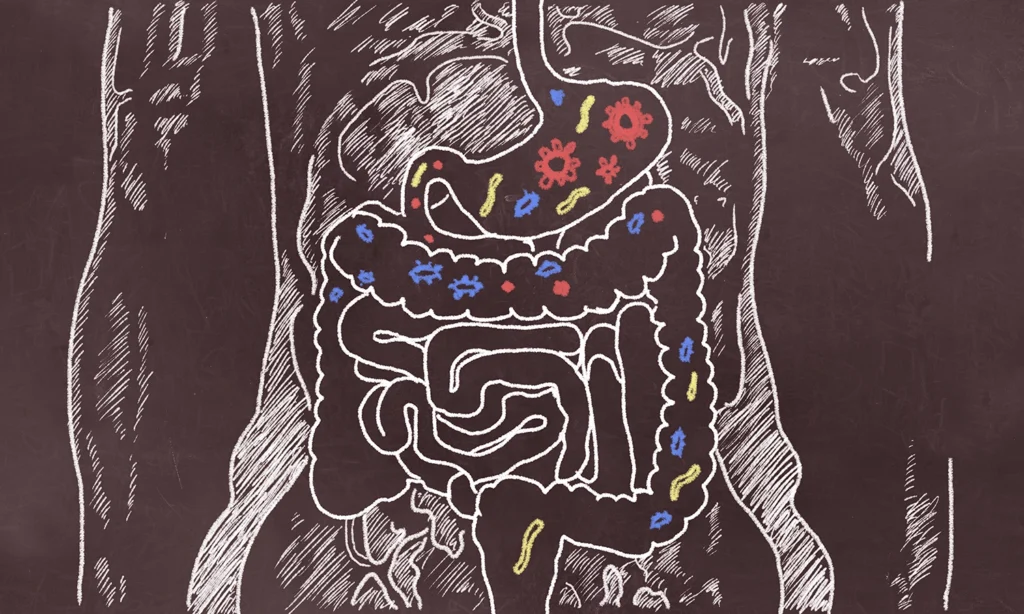
Predicting the Development of Alzheimer’s Disease with Artificial Intelligence

A Revolutionary Way to Estimate Biological Age and Predict Health Outcomes

Is The Hype About “Leaky Gut” Justified?
High Cost, Low Efficiency: The Paradox of U.S. Healthcare
What Do Gut Microbes Have To Do With Social Anxiety Disorder?

The Sixth Blue Zone

Dealing with the World’s Polycrises in 2024

New Hope for Patients with Autism Spectrum Disorder?

The Dark Side of the Miracle Drug Tirzepatide

Polyphenols: The Link Between The Microbes in The Soil and Our Gut Microbiome

Could This New Weight Loss Drug Become the Best-Selling Drug of All-Time?

The Health Benefits of a Healthy Diet Combined with Physical Exercise

What Role Is Serotonin Playing in Long COVID Syndrome?

Stress and Inflammatory Bowel Diseases: Unraveling the Psychological Dimensions of IBD

How Living in a Disadvantaged Neighborhood May Affect the Brain

The Stress That Evolution Has Not Prepared Us For

Surprising News about Diet and Alzheimer’s Disease

The Benefits of a Modified Mediterranean Diet for Irritable Bowel Syndrome

Dietary interventions, such as the low Fermentable Oligo-, Di-, Monosaccharides and Polyols (FODMAP) diet, which are low in many plant-based foods are considered by many IBS experts as first line treatments for IBS, even though they are bad for our overall health.
What Do Social Connectedness and the Mediterranean Diet Have in Common?

Understanding and Treating Irritable Bowel Syndrome

Is Moderate Alcohol Consumption Beneficial For Your Health?

What Is All the Fuss About Boosting Our Immunity?

The Crucial Role of Diet in Colorectal Cancer Risk

How to Reach 100 Years of Age Without Cognitive Decline

Why Are More and More People Living to 100?
A New Holistic Understanding of IBS
The Amazing Evolution of the Goodman-Luskin Microbiome Center at UCLA

SIBO – Debunking Popular Myths in Irritable Bowel Syndrome

Choosing The Right Seafood For Optimal Health

Depression and The Gut Microbiome

One More Word About Extra Virgin Olive Oil

The Crucial Role of Diet and the Gut Microbiome in Colorectal Cancer Risk
The Exciting New Science Underlying IBS Treatments

Yvon Chouinard, the Ultimate Climate Philanthropist

The Brain’s Powerful Role in Affecting Our Well-Being

Chronic Stress

Is A Healthy Diet Good For The Planet?

Does a Diet High in a Variety of Fermented Foods Protect You Against Cognitive Decline and Colon Cancer?

The Myth of Multivitamins and Other Supplements

Have We Made Progress in Fecal Microbial Transplantation?

Olive Oil – Medicine Produced by Nature and Refined by Human Expertise and Traditions

Are Bioactives the New Magic Treatment for Cardiovascular Disease?

Do Millions of People Need a Gluten Free Diet?

An Apple a Day Keeps the Doctor Away

How Mom’s Gut Microbes Can Influence the Health of the Offspring

The Role of Diet in Inflammatory Bowel Diseases – Facts and Myths

The Relationship Between FODMAPs and IBS Symptoms
