Peptides and the Promise of Longevity: Hype, Hope, and What Science Actually Says
A handful of peptides have already transformed how we treat diabetes and obesity. But the injectable ones flooding your social feed? The science tells a very different and more cautionary story.
Is Fasting Good For You?
Intermittent fasting has become one of the most popular dietary trends of the past decade. Based primarily on preclinical studies, proponents claim it can help people lose weight, sharpen focus, extend lifespan, and even reduce the risk of diseases like cancer and dementia. But when scientists look closely at the evidence, the story becomes less straightforward.
Can A “Dopamine Detox” Reset Your Brain?

Is a “dopamine detox” actually doing anything for your brain? The science might surprise you — and the real mechanism behind why it works has nothing to do with dopamine at all.
Everything You Need to Know About Quercetin
Your gut bacteria are eating your supplements before you do — and with quercetin, that’s actually a good thing. Here’s what the science shows about quercetin and your health.
What The Science Says About Non-Nutritive Sweeteners, Your Microbiome, and Weight Loss
A major year-long study tested whether modern sweeteners can actually help break the cycle of weight regain, and the outcome may surprise you.
Your Muscles Are Talking to Your Brain: The Revolutionary Science Behind the Muscle-Brain System
Your muscles are secretly producing hundreds of molecules that cross into your brain—and scientists just discovered how they’re protecting you from Alzheimer’s, depression, and memory loss.
The Hidden Health Cost of Overwork: When Your Body Starts Keeping Score

Working 55+ hours per week is linked to 745,000 deaths annually—and the real damage starts with subtle warning signs your body is sending you right now.
Flavanols and the Hippocampus

A 3-year study of 3,562 adults reveals one nutrient deficiency that’s silently accelerating memory loss—and it’s missing from most American diets
A Revolutionary New Way To Treat Menopause Symptoms – Targeting The Microbiome

Why do some women sail through menopause while others are blindsided by symptoms? The answer may not be in your ovaries — it’s in your gut. A specialized community of gut bacteria called the “estrobolome” can actually recycle estrogen back into your bloodstream, potentially buffering the hormonal crash of menopause. And unlike your ovaries, your microbiome can be changed — starting with what you eat.
Reaping the Benefits of Day Care: A Look Inside the Gut Microbiome

Daycare may do more than socialize your child — it can rapidly reshape the infant gut microbiome, strengthen immune resilience, and even help babies recover faster after antibiotics.
What Yogurt Can (and Can’t) Do for Your Gut
Yogurt isn’t a gut-health cure, but when chosen carefully and paired with the right diet, it can quietly influence brain-gut signaling, stress responses, and microbial activity.
Why So Many Mental Health and Brain-Gut Disorders Overlap

A massive Nature study of 1+ million people shows that depression, anxiety, bipolar disorder, schizophrenia, and even gut-related conditions share common genetic pathways — challenging how we think about diagnosis and treatment.
Overcoming Overwork

Working longer hours might feel productive, but research shows it could quietly be shortening your life – here’s how to recognize the warning signs before burnout becomes permanent.
3 Science-Backed Hacks to Eat More Grains this Year
The new food pyramid makes grains look optional—but these 3 science-backed tweaks show how whole grains can actively support gut health, blood sugar, and energy (without eating more carbs).
How To Prevent Injury to Your Hips

Tight hips aren’t just a flexibility issue—they’re linked to injury risk, metabolic health, and age-related muscle loss. These simple mobility habits can help protect your body long term.
What is a Healthy Gut Microbiome and How Can I Get One?

A landmark study of 34,000+ people reveals why the same diet can lead to wildly different health outcomes — and how your gut microbiome may predict metabolic disease risk better than traditional blood tests.
How to Rebuild a Healthy Microbiome After Antibiotics
Recent research suggests that diet after antibiotics may play a bigger role in microbiome recovery than we once believed. Here’s what you may want to consider after taking antibiotics.
5 Nutrition Habits That Make Healthy Eating Feel Easier in 2026
Healthy eating doesn’t have to feel exhausting — these 5 science-backed habits make nutrition simpler, more sustainable, and easier to stick with in real life.
Do Prebiotic Sodas Actually Offer Health Benefits?

Marketed as a gut-friendly alternative to traditional soft drinks, prebiotic sodas claim to offer health benefits while satisfying cravings for a sweet and fizzy drink. But do they truly offer any purported benefits, or are the claims mainly a clever marketing tactic designed to take advantage of the gut health craze?
Debunking Common Myths About Exercise

When done right, exercise can be a veritable miracle drug. But follow the wrong advice and you can easily set yourself up for injury. I asked more than a dozen fitness experts to share the myths they hear most often among their clients and patients, and that they wish they could debunk once and for all.
How the Brain Quietly Reinvents Itself from Birth to Old Age

New brain-imaging research reveals that the human brain doesn’t age gradually, but rather shifts through four distinct turning points that quietly reshape how we think, learn, and adapt across life.
How Your Relationships Quietly Rewire Your Gut

What if your cravings, stress levels, and gut health are shaped as much by your closest relationships as by what you eat?
Should You Do a Dopamine Detox?
The popular “dopamine detox” gets the science wrong – but it reveals something important about why modern habits are so hard to break.
Who Really Needs to Take a Probiotic? An Honest, Evidence-Backed Review
Most people taking probiotics don’t actually need them – and in some cases, they may be missing what truly supports their gut.
The Skin And The Gut Have More In Common Than You Think
Discover why your gut, not just your skincare routine, may be the real key to healthier, younger-looking skin.
Why Polyphenols Are Good for The Gut Microbiome and The Brain
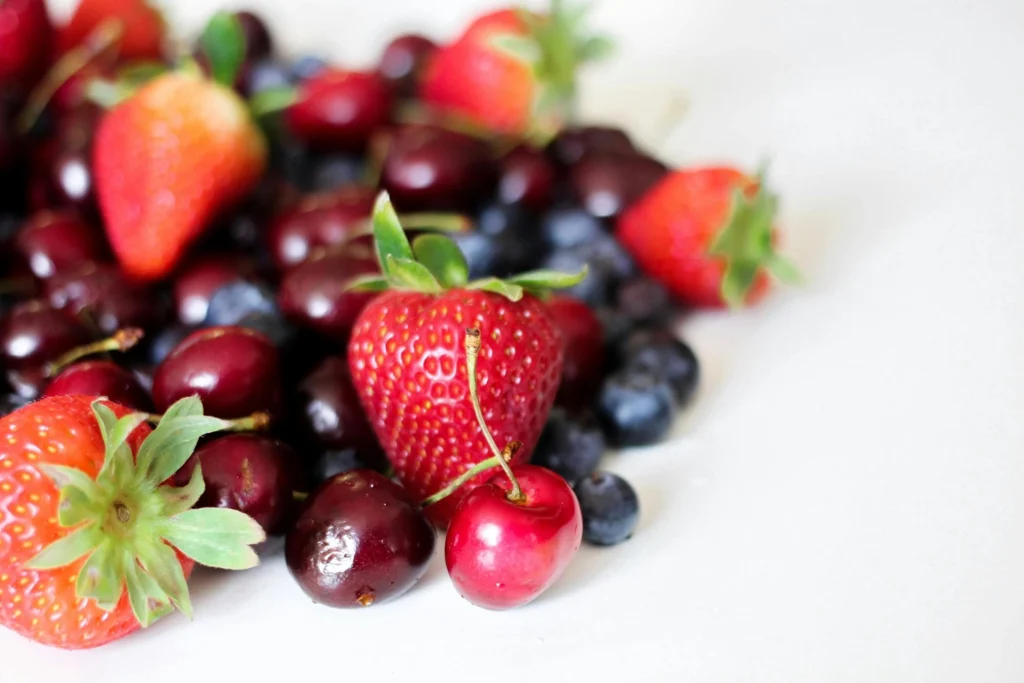
If you didn’t already know, polyphenols are plant-derived compounds, abundant in foods like berries, tea and cocoa, and are showing great promise in the fight against heart disease, cognitive decline and neurodegenerative diseases.
Are These Claims About Gut Health Fact or Fiction?

As the topic of gut health has gained in popularity in recent years, so too have supplements, protocols and “hacks” claiming to improve gut health.
This Hidden Chemical is Linked to Gut and Kidney Damage

PFAS, or per- and polyfluoroalkyl substances, are synthetic chemicals used in various consumer and industrial products, including non-stick cookware, water-resistant clothing and food packaging.
The Hidden Power of Extra Virgin Olive Oil
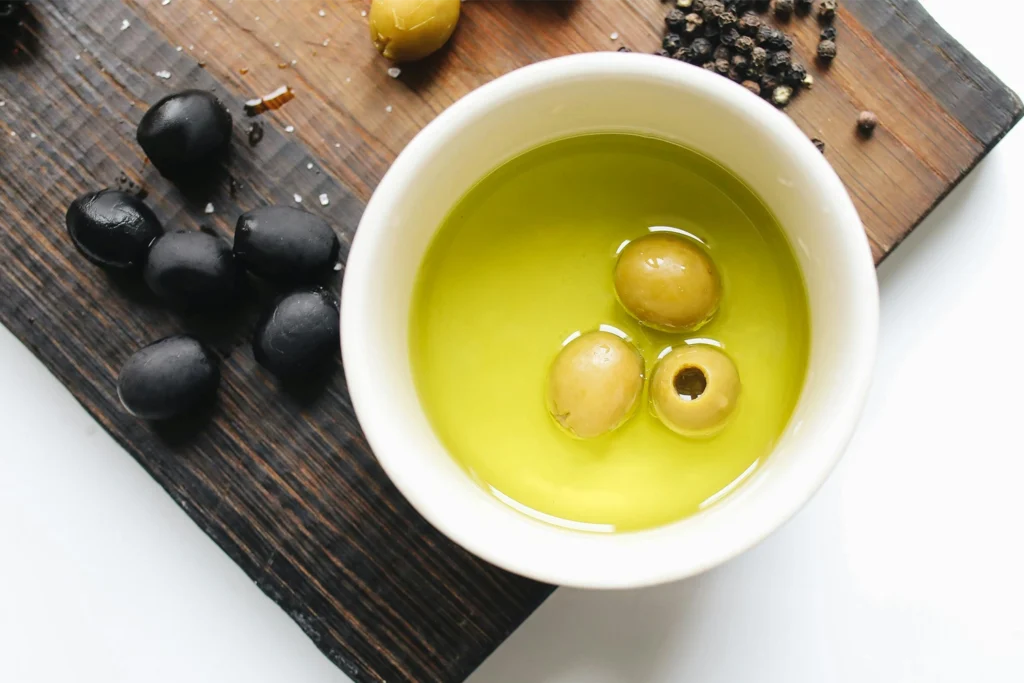
Most people use olive oil every day, but few realize its polyphenols are one of the most powerful ways to promote and protect long-term health.
The Way You Breathe Is Quietly Controlling Your Stress, Mood, and Gut

One simple breathing technique can calm your stress, support your gut, and reset your nervous system in under a minute. Here’s how it works.
Exercise and the BGM System

Exercise is often recommended to obese individuals who want to lose weight as it has shown to be an effective way to burn calories and improve metabolic health. New exciting new research suggests that physical activity also has the ability to alter the bacteria in the gut microbiome, leading to better mental health outcomes.
The Symphony of Health – How Small Daily Choices Create Big Transformations

Discover The Mayer Model – a new way of thinking about health that replaces quick fixes with harmony. By aligning sleep, movement, nutrition, mindfulness, and purpose, you can awaken your body’s natural rhythm and build lasting resilience from the inside out.
The Hidden Network of Longevity: How Your Gut, Brain, and Lifestyle Work Together to Keep You Young
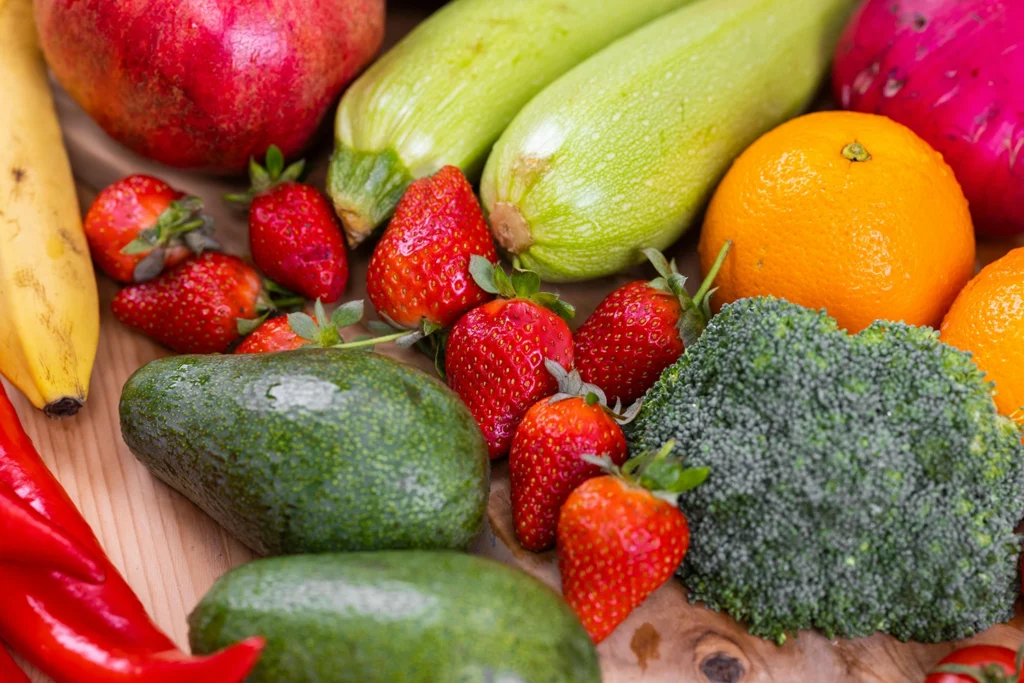
Discover how your gut microbes, brain, and lifestyle habits work together to shape how you age, and how small, science-backed changes in diet, movement, and stress can help you build a longer, healthier, happier and more resilient life.
5 Simple & Free Ways to Reduce Stress

Feeling overwhelmed? Discover five science-backed techniques you can do in minutes—from breathing to posture shifts—to instantly calm your nervous system and lower stress without spending a dime.
Fall Superfoods to Nurture Your Brain–Gut–Microbiome System
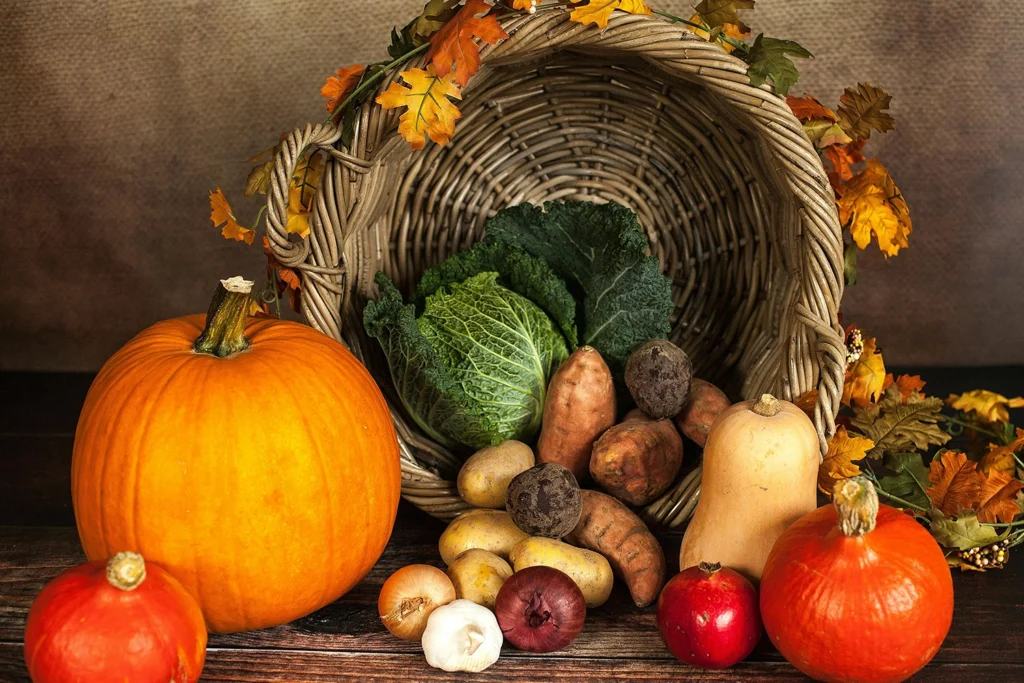
As the days grow shorter, your mood doesn’t have to. Discover how fall and winter’s most vibrant foods—from pumpkin and apples to fermented favorites—can nourish your brain–gut–microbiome system, lift your mood, and restore balance through the darker months.
Meet Glutathione, the Molecule That Keeps You Young and Resilient
Your body’s most powerful antioxidant isn’t found in a supplement, it’s built inside your cells. Discover how glutathione protects your brain, liver, and mitochondria from oxidative stress and aging.
Train Your Brain, Heal Your Gut

Gut pain, bloating, and fatigue – what if the solution isn’t in your medicine cabinet but could be obtained through retraining your mind? Growing research offers compelling evidence that hypnosis could help.
The Longevity Gap: Why Women Live Longer Than Men

Women tend to outlive men–and by a pretty considerable margin, too. In the United States, women typically live to 80, while men generally average at around 75.
How to Live to 117: Lessons from the World’s Oldest Woman

When Maria Branyas Morera passed away in August 2024, she was 117 years old, the oldest living person on Earth. Unlike many of us imagine old age, she didn’t spend her last years bedridden or cognitively impaired. She read books, gardened, played piano, enjoyed yogurt and olive oil, walked daily, and kept the company of friends and dogs. Her life was quiet, but her healthspan, the years she lived free from major disease, was extraordinary.
Unpopular Nutrition Opinions (Backed by Science)

From seed oils to keto and protein bars, nutrition myths spread faster than facts. Discover what the science actually says about these “unpopular” opinions and why balance, not extremes, wins every time.
Alcohol’s Effects on the Gut Microbiome

With the holiday season fast approaching, many of us will have an uptick in social events which often includes a festive alcoholic drink or two. While drinking in moderation does not seem to negatively affect health, the CDC outlines how more than 2 drinks a day for men or more than 1 drink a day for women can have negative health consequences.
The Lack of Understanding of the ‘Mommy Brain’

The term “mommy brain” is commonly used by pregnant mothers to describe their scattered and foggy mental state during pregnancy. Some would even say it is a rite of passage as an expecting mother. While there is no official diagnosis for this, symptoms of disorientation, memory loss, trouble concentrating and other cognitive challenges can make daily tasks seemingly more difficult.
What the Experts (Not the Politicians) Have to Say About the Rise and the Causes of Autism Spectrum Disorders
Recent headlines have raised questions about whether autism is truly on the rise, what’s driving the increase in diagnoses, and whether environmental factors, vaccines, and Tylenol (acetaminophen) are to blame. Let’s take a look at what the experts & the science say.
Can Fiber Control Your Appetite?
Fiber isn’t just for digestion. Discover how it impacts satiety hormones, inflammation, and dopamine to naturally curb cravings and bring appetite back into balance.
Trauma: The Lasting Imprint on Body and Mind

Trauma reshapes more than memories – it changes your brain and cells. See how new science offers breakthroughs for healing body and mind.
Intermittent Fasting May Be More Effective Than Daily Calorie Restriction

Beyond cutting calories, intermittent fasting may boost metabolism, improve health markers, and outshine daily restriction. Learn why timing meals could matter more than counting them.
Microdosing GLP-1 Drugs: Hope, Hype, and the Search for Healthy Aging

GLP-1 drugs like semaglutide have transformed diabetes and weight-loss care, but a new “microdosing” trend is sparking controversy. Are tiny doses a breakthrough for healthy aging or just hype? Explore what the science really says.
How to Optimize Your Sleep: A Science-Backed Guide
Your sleep affects learning, mood, metabolism, and immunity. Explore proven ways to upgrade your nights – from light exposure to bedtime habits.
The Truth About Seed Oils: Beneficial, Not Toxic, But Context Matters
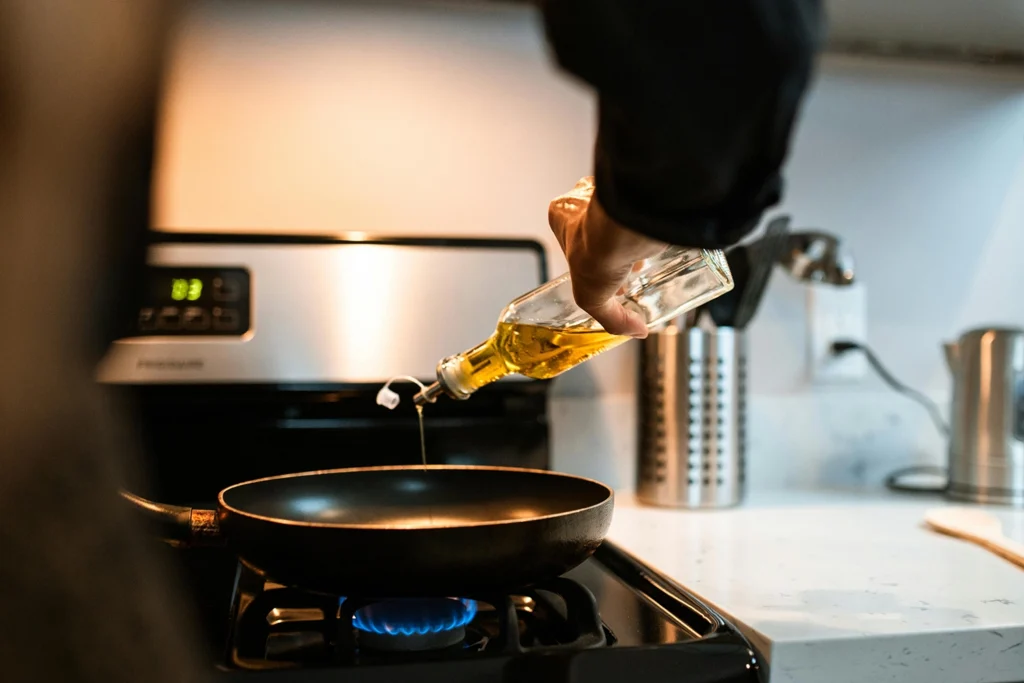
Seed oils aren’t all bad. Find out when they’re healthy, how they can help your heart, and what context makes the difference.
5 Simple Tips for Keeping Your Gut Healthy

Boost your gut health with easy, evidence-based tips that support digestion, balance microbes, and improve your overall well-being without complicated routines.
Is Quantity or Variety of Fruits and Vegetables More Important?
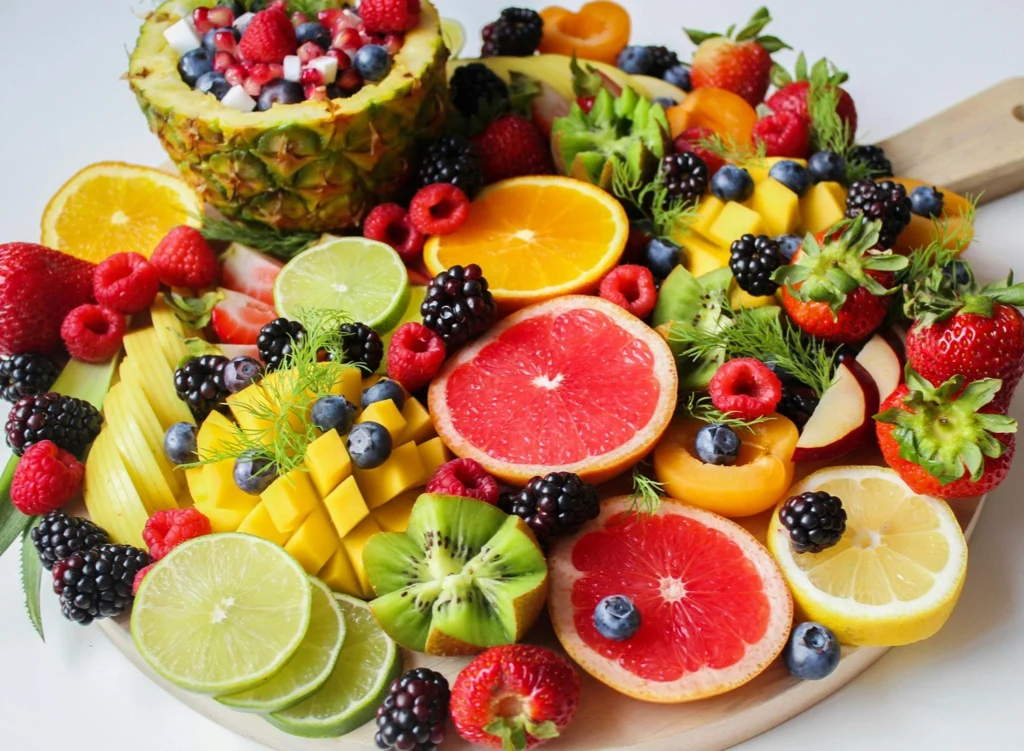
Is it better to eat more, or more types of fruits of vegetables? Discover why quantity and variety both play crucial roles in your long-term health.
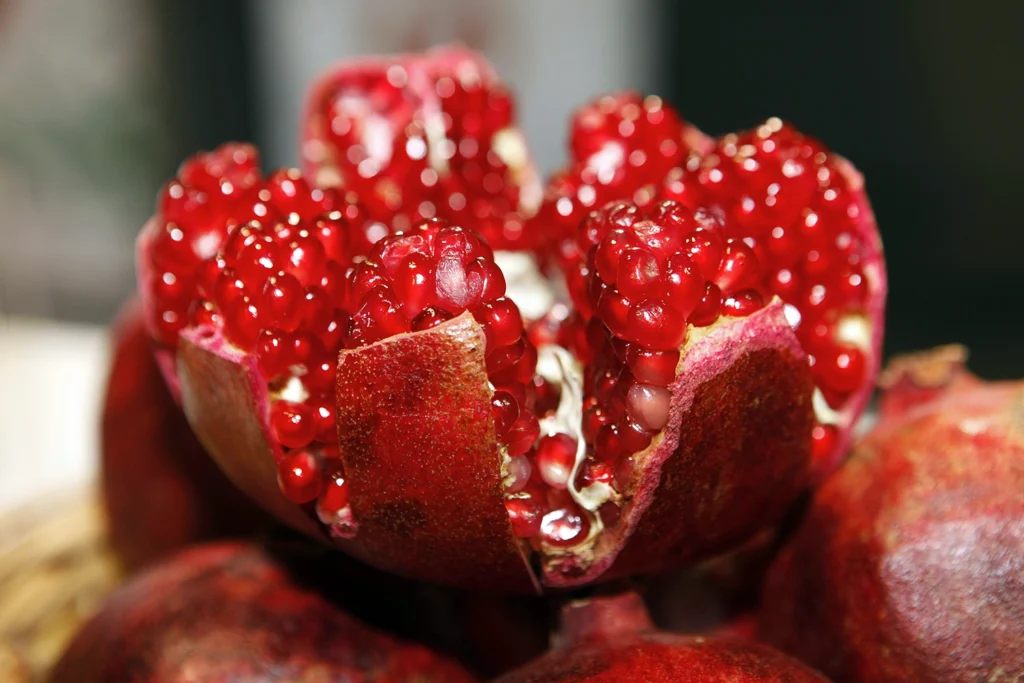
Urolithin A: How Our Gut Microbes Turn Pomegranates into a Booster of Cellular Health
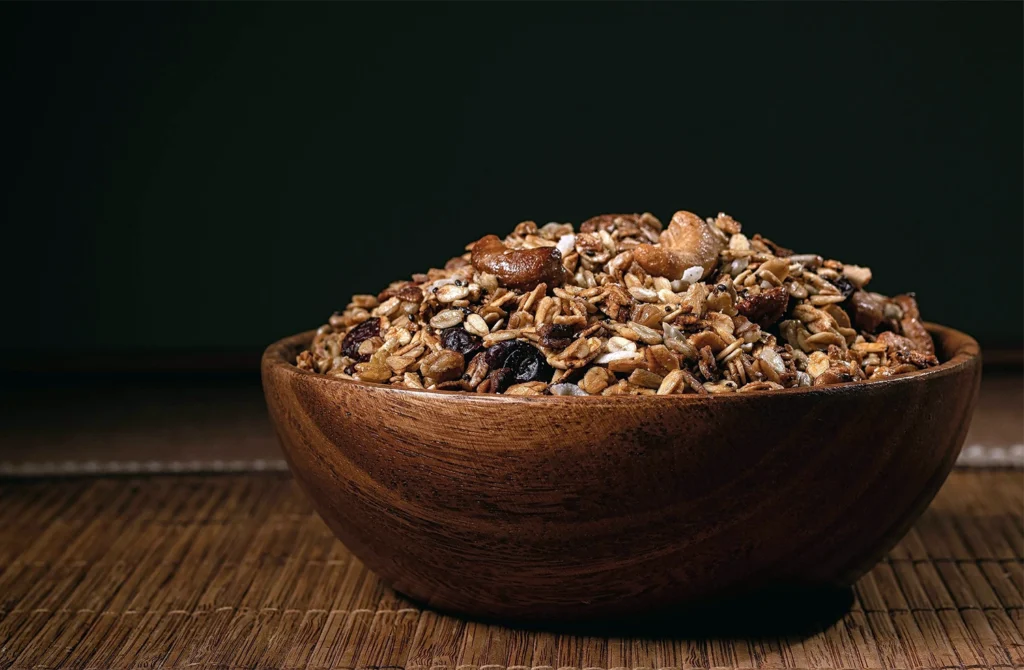
Decoding Fiber Labels: What “Total Fiber” Doesn’t Tell You
Is the Protein Boom a Fad or the Key to Healthy Aging?
Invisible Invaders: The Story of Microplastics Inside Us
Microplastics are in our oceans, food, and bodies. Discover how they get inside us, their potential health effects, and ways to reduce exposure.
When Supplements Make Sense (And Which Are Supported By Evidence)
Healthy Skin Starts Beneath the Surface
Why Do We Gain Weight As We Get Richer? A Groundbreaking Study Busts Myths About Obesity and Energy Use

A groundbreaking study challenges myths about obesity and metabolism, revealing how rising wealth and energy use may influence unexpected weight gain patterns.
Are Fiber Supplements Worth It? A Deep Dive on Metamucil, Inulin, and Benefiber

How A Fiber Rich Diet Lowers Toxic “Forever Chemicals” In Our Gut

How Plants Fight Stress – And What We Can Learn from Them

How the Gut Microbiome and Brain Team Up to Build Resilience to Stress

Discover how your gut microbes influence brain chemistry, stress resilience, and mood – and why nurturing this connection can boost mental and physical health.
Your Gut Can’t Heal When You’re Stressed – Here’s Why

The Link Between Stress and the Gut Microbiome

Vitamin D, Gut Health, and Telomere Shortening

The Power of School Lunch: The Health of Our Nation Starts on a Tray

Making Our Children Healthy Again: What’s Going Wrong – and How We Can Fix It

The Rise of Cancer in Younger Adults: What the Science Says

Good Digestion Isn’t Just About What You Eat – Here’s What Else Matters

Debunking the SIBO Hype: Why Breath Tests May Be Misleading

The Carnivore Diet: Why Cutting Plants Out May Cost You Your Health

The Hawthorne Effect: When Observation Changes Reality

What Does “Healing Your Gut” Actually Mean?

Why Aren’t Americans Eating Enough Fruits and Vegetables?

Could Multiple Sclerosis Begin in the Gut?

The Truth About Happiness – It’s All About Connectedness

Can Birth Control Change Your Gut?

Why We’re Aging

Confirming The Link Between Autism Symptoms, Gut Microbes and The Brain

How Your Diet Today Shapes Your Health Tomorrow

How Brain-Gut Communication Shapes IBS Symptoms – and What You Can Do About It

Multivitamins and Cognitive Aging

What did a major clinical trial reveal about the role of multivitamins in long-term brain health? Can a simple daily habit help support memory and cognitive function as we age? New research sheds light on the surprising brain-related effects of multivitamin use in older adults.
Does the Timing of Your Meals Really Matter for Weight and Fat Loss?

What happens when you only eat during an 8-hour window—and does the time of day of your food intake matter? Can combining intermittent fasting with a Mediterranean diet unlock greater health benefits? A new clinical trial explores the impact of meal timing on fat distribution, blood sugar, and weight—here’s what they discovered.
The Hidden Link Between IBS, Inflammation and Mental Fog

Increasing evidence suggests that low-grade immune activation in the gut can influence brain signaling, leading to symptoms such as fatigue, brain fog and mood changes which are often present in disorders of brain gut interactions. The biggest mediator behind these outcomes? The brain gut microbiome system: a bidirectional communication system highly susceptible to immune dysregulation, with mast cells, cytokines and the vagus nerve being key players in this process.
The Sweeter Side of Big Food: Real Change or “Greenwashing?”

One of the stated goals of the “Make America Healthy Again” (MAHA) movement is to improve the quality of the American diet, including removal of UPFs from our food supply, but the success of this movement in a climate of hostility for any regulation in the production and processing of our food will need to be seen.
The Potential of Polyphenols

The old adage “we are what we eat” takes on new meaning as we learn more about the science behind how nutrition impacts both physical and mental health. There is a rapidly growing body of research that demonstrates the benefits of a largely plant-based diet. The Mediterranean diet has repeatedly been shown to be associated with healthy aging and increased resilience and resistance against chronic, non-communicable diseases (NCDs), including type 2 diabetes, early cognitive decline and heart disease.
The Hidden Link Between The Gut and Chronic Pain

The gut is not just a passive digestive organ; it’s a second brain. Lined with an intricate network of nerves called the enteric nervous system (ENS), the gut communicates directly with the brain through the vagus nerve and spinal cord pathways. These connections form the gut-brain axis, a bidirectional system that regulates digestion, immunity, and even emotions.
The Science Behind Diet and Fertility

As if we didn’t have enough challenges dodging all the social media chatter how to optimize our health and identifying a healthy lifestyle – are you struggling with infertility? If you are, you’re not alone. According to recent studies, one in six individuals face fertility challenges.
Gwyneth Paltrow’s Longevity Routines

In 2008, Gwyneth Paltrow, an award-winning actress turned wellness guru, launched her brand “Goop” as a weekly newsletter focused on wellness and lifestyle tips. The brand has since taken off and generated a lot of buzz around Paltrow’s healthy lifestyle habits and wellness trends.
Sexism in Medicine

For many women, the dismissive phrase, “It’s just in your head,” is an all too familiar response during medical visits. Gender bias remains a common concern even in today’s evolved medical world.
The Truth About Protein Powder

Protein powder is often touted as “healthy” because the general consensus is that protein is crucial for maintaining muscle mass. However, while it may have some benefits, there are also some issues with regular protein powder consumption.
The Hidden Dangers in Plant-Based Food

As I have consistently discussed in my three books and in many posts in this newsletter, there is overwhelming evidence for the overall health-benefit of a largely plant-based diet, an essential component of the traditional Mediterranean lifestyle.
Has the Obesity Epidemic Plateaued?

Obesity has long been one of the most pervasive health challenges in the United States, with rates steadily climbing for decades. In a recent post, I wrote about some troubling report published in the medical journal, The Lancet.
Make America Healthy Again – Tackling the Chronic Disease Epidemic

Over the past several years, I have often drawn attention in my books and communications to the unfolding global chronic non-contagious disease (CND) epidemic.
Beyond Skin Deep: The Importance of the Skin Microbiome

The well-known phrase “skin deep” is used to describe something that is seen as superficial or meaningless. While our skin is the body’s second largest organ (the gut has the largest surface area), it is often thought to be taken care of solely to benefit one’s outward appearance and to enhance both our beauty and youth.
Does Parkinson’s Begin in the Gut?

Inflammation: An Emerging Cause of Chronic Human Disease

The Ominous Progression of the National Obesity Epidemic

How To Maintain Your Gut Health During Thanksgiving

Dirt Is Good for Your Gut
