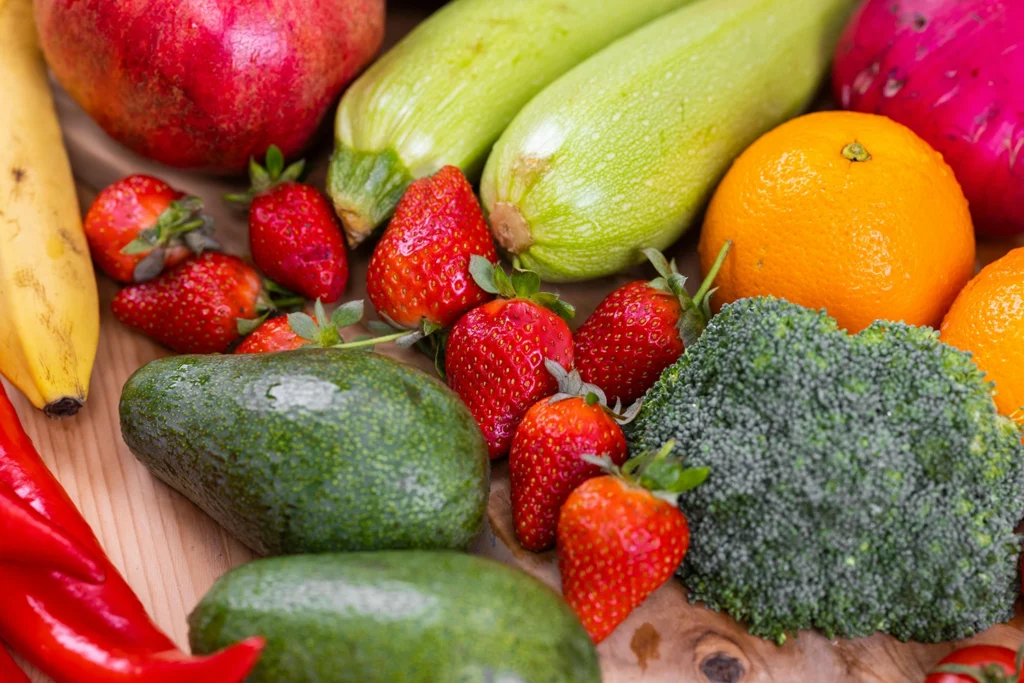
The Hidden Network of Longevity: How Your Gut, Brain, and Lifestyle Work Together to Keep You Young
In recent years, science has revealed an extraordinary truth: the trillions of microorganisms residing in your gut may be among your most powerful allies in the pursuit of a long, healthy life – as long as you treat and nourish them well. These microbes do far more than digest food, they have a major influence on your immune system, metabolism, and even how your brain ages.
But the story doesn’t stop there. What you eat, how you move, and how you manage stress all shape this invisible ecosystem, and in turn, shape how well you age. Below are practical, evidence-based steps to nurture your brain-gut-microbiome system for greater energy, cognitive sharpness, and lifelong resilience.
Feed Your Microbes, Feed Your Mind
Your gut microbes thrive on the same foods that support your brain: colorful, minimally processed diets rich in fiber and polyphenols. Polyphenols, found in berries, pomegranates, nuts, green tea, extra-virgin olive oil, and cruciferous vegetables, aren’t just antioxidants as often misstated. As a matter of fact, once ingested in your food, they don’t act like antioxidants at all. Instead, they act as fuel for beneficial gut bacteria, which transform them into metabolites that reduce inflammation, support mitochondria, and protect neurons.
Human studies show that polyphenol-rich diets increase beneficial bacteria such as Akkermansia muciniphila and Faecalibacterium prausnitzii, which have been linked to a tighter gut barrier, lower inflammation and improved metabolic health. As people age in industrial societies, microbial diversity tends to decline, a shift associated with frailty and immune dysfunction – but contrary to popular opinion, these are not unavoidable consequences of older age. A lifelong diverse plant intake and healthy lifestyle can help preserve a youthful microbiome and a fully functioning body and brain.
Actionable Tip:
- Aim for 30+ different plant foods per week, vegetables, fruits, legumes, herbs, and spices.
- Prioritize deeply pigmented foods (blueberries, blackberries, cranberries, red grapes), cruciferous vegetables, and polyphenol-dense herbs like turmeric, ginseng and rosemary.
- Swap processed snacks for a handful of nuts or a cup of mixed berries, small habits that build long-term microbial diversity.
At Mayer Nutrition, we’re building on this very principle, creating science-backed, polyphenol-rich products that help people get more of the diverse, health-promoting plant compounds missing from most modern diets. For those who don’t get enough fruits and vegetables (the majority of Americans), or simply want to enhance their variety, our goal is to make it easy to nourish both the gut microbiome and the brain with clinically supported ingredients.
Move to Nourish Your Microbiome and Brain
Regular, moderate exercise isn’t just good for your body, it reshapes your gut ecosystem, reduces stress reactivity and supports long-term mental health. Physical activity enhances microbial diversity, boosts short-chain fatty acid (SCFA) production, and increases brain-derived neurotrophic factor (BDNF), a key molecule for learning and memory.
Regular movement, even low-intensity exercise, is associated with more favorable microbiome composition and improved cognitive performance. Together, exercise and diet create a virtuous cycle. The fitter your body, the fitter your microbes, the fitter the brain and vice versa.
Actionable Tip:
- Combine moderate aerobic exercise (walking, cycling, swimming) with resistance training 2–3 times per week.
- Incorporate movement “snacks” throughout the day, walking calls, post-meal strolls, short stretch breaks.
- When possible, exercise outdoors, natural light and exposure to environmental microbes benefit both mood and microbial balance.
Support Mitochondrial Health Through the Microbiome
Your mitochondria, the tiny powerhouses in your cells which originated from microbes in evolution, play a key role in longevity. New research shows that certain microbial metabolites such as urolithin A, produced by your gut microbiome from the polyphenol quercetin, can stimulate the process that clears out damaged mitochondria and rejuvenates cellular energy systems.
Urolithin A is produced when gut microbes transform the polyphenol quercetin found in pomegranates, walnuts, and raspberries. Yet not everyone’s microbiome has the right “factory” to produce urolithin efficiently, highlighting how your microbial composition influences how you “harvest” nutrition from your diet.
Actionable Tip:
- Regularly eat pomegranate, berries, walnuts and add garlic and onions to your meals to stimulate microbial urolithin A production.
- Maintain a healthy, diverse and rich microbiome capable to urolithin A production through fiber and polyphenols to support this process.
Sleep & Stress
Stress and poor sleep can destabilize your gut microbiome, increase low grade immune system activation, and accelerate biological aging. Chronic activation of the stress response can alter microbial balance and increase intestinal permeability (referred to as “leaky gut”), a mechanism linked to anxiety and cognitive decline.
Conversely, high-quality sleep enhances microbial diversity and strengthens the intestinal barrier, supporting both mental and metabolic health.
Actionable Tip:
- Create a consistent bedtime routine and reduce evening screen time (see one of my previous posts on the importance of sleep hygiene.
- Practice mind-body techniques such as mindfulness, meditation, yoga, or slow breathing to reduce gut-brain stress feedback loops.
- Remember, a calm mind supports a calm gut, and vice versa.
Think in Systems, Not Silos
Contrary to what a growing number of biohackers are trying to make you believe, longevity isn’t achieved through a single superfood or supplement. It emerges from synergy within the brain gut microbiome system, the ongoing dialogue between your diet, movement, sleep, stress regulation, and gut microbiome. While each of these processes may only contribute a small benefit, when they align, they amplify one another: your microbes make brain-protective metabolites (such as butyrate), your brain normalizes the stress response protecting the gut, and your mitochondria generate sustained energy for both body and mind (see the Mind-Gut Conversation Podcast Episode with Dr. Martin Picard here).
The Take Home Message
Longevity isn’t just about adding years to your life, it’s about adding life to your years. The key lies in supporting your brain–gut–microbiome system through consistent, interconnected lifestyle choices. Think about an expensive Ferrari sports car, or a supercomputer- wouldn’t you always want to do everything to keep it fully functioning?
Whether through colorful meals, daily movement, restorative sleep, or science-backed supplementation, small steps add up, literally changing your biology from the inside out.
Here’s a checklist to optimize your routine:
- Eat 30+ different plants per week
- Move daily, mix cardio + resistance
- Prioritize sleep and normalizing stress responsiveness
- Choose colorful, polyphenol-rich foods
- Eliminate ultra-processed and sugary foods from your diet

E. Dylan Mayer, MS is a graduate from the University of Colorado at Boulder, with a major in Neuroscience and minor in Business. He also holds a Master’s Degree in Nutrition from Columbia University.
✓ This article was reviewed and approved by Emeran Mayer, MD