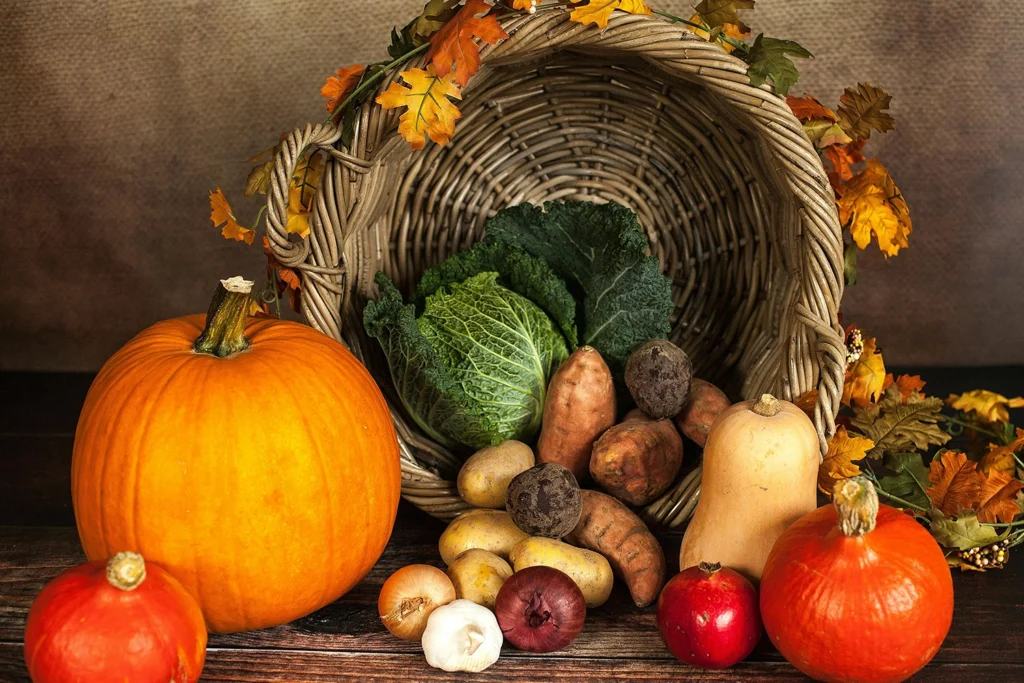
Fall Superfoods to Nurture Your Brain–Gut–Microbiome System
As summer fades and the days grow shorter, many of us notice subtle changes in mood and energy. The crisp air, early sunsets, and gray skies of fall and winter can bring a sense of stillness, but for some, they also trigger feelings of sadness, anxiety, and fatigue. This seasonal emotional dip, often called seasonal affective disorder (SAD), reminds us how deeply our minds and bodies are connected to the natural world.
Science tells us that one key player in this connection is serotonin, a neurotransmitter best known for its role in mood regulation. What many don’t realize is that around 90% of serotonin is made not in the brain, but in the gut, by specialized cells in the gut lining that work closely with our gut microbes. That’s why the health of the brain–gut–microbiome (BGM) system, the intricate communication network linking our nervous system, immune cells, hormones, and the trillions of microbes living in our intestines, has such a powerful influence on how we feel.
When sunlight wanes and stress levels rise, nurturing the brain-gut-microbiome system through food becomes one of the simplest and most effective ways to stay balanced, mentally and physically. Fall and winter are full of nutrient-dense foods that do just that.
Pumpkin and Winter Squash: Sunshine in a Shell
Pumpkin and winter squash don’t just brighten up a table, they feed your microbiome, too. Their soluble and insoluble fibers serve as fuel for beneficial bacteria like Bifidobacteria, which help maintain a strong gut barrier and a well-regulated immune system. The deep orange hue of these vegetables comes from beta-carotene, a powerful antioxidant that the body converts to vitamin A which is essential for eye, skin, and immune health.
Roasted cubes of butternut squash or a bowl of pumpkin soup not only comfort you on a chilly day, but they also actively help reduce oxidative stress and support the microbial ecosystem that keeps your body and mind in balance.
Apples: Nature’s Perfect Gut Food
“An apple a day” might sound like a cliché, but science keeps proving its truth. Apples are rich in quercetin, a flavonoid that reduces inflammation, and pectin, a prebiotic fiber that feeds good gut bacteria. When these microbes digest pectin, they produce short-chain fatty acids (SCFAs) such as butyrate, which nourish the cells lining your intestines and help regulate serotonin production.
This means that something as simple as snacking on an apple can subtly boost resilience to stress and improve emotional balance – a gentle, everyday act of self-care.
Sweet Potatoes: Energy for the Long Haul
Unlike refined starches such as those in French fries and potato chips, which cause quick spikes and crashes in blood sugar, sweet potatoes digest slowly, providing steady energy and a longer sense of fullness. Their complex carbohydrates and vibrant pigments (anthocyanins) support both metabolic and microbiome health.
Think of them as the perfect fall comfort food, sweet, nourishing, and grounding, to help your gut microbes thrive while keeping your blood sugar and mood stable.
Root Vegetables: Grounding for the Body and Mind
Beets, carrots, parsnips, and other root vegetables draw minerals and nutrients straight from the soil, making them rich in vitamins, antioxidants, and polyphenols. These compounds strengthen the immune system, reduce inflammation, and feed your gut bacteria.
In Ayurvedic tradition, root vegetables are said to “ground” the body, helping to calm nervous system and reconnect us with the earth. Whether roasted with olive oil or blended into soups, they bring warmth and nourishment to both your plate and your spirit.
When you incorporate these vegetables into your cuisine choose organically grown root vegetables when possible, as they can absorb pesticides and toxins from the soil.
Fermented Foods: Living Medicine for the Microbiome
Fermented foods like sauerkraut, kimchi, miso, and kefir are alive with beneficial bacteria that help repopulate and diversify a compromised gut microbiome. These probiotic organisms produce neurotransmitter precursors such as GABA and serotonin, which may benefit mood and stress resilience.
Adding a few forkfuls of sauerkraut to your salads or various dishes, or a glass of kefir to your morning routine can help your gut, and mind, stay calm and adaptive through the darker months.
Leafy Greens and Cruciferous Vegetables: Detox and Restore
Dark leafy greens like kale and cruciferous vegetables such as broccoli, brussels sprouts, and collards contain unique compounds called glucosinolates and sulforaphane. You don’t need to remember these complicated names, but it is good to be aware that these phytochemicals activate the body’s natural detoxification pathways and reduce oxidative stress.
Cranberries: Tiny Berries with Big Impact
Cranberries are rich in polyphenols that strengthen the intestinal barrier and prevent harmful bacteria from attaching to the gut lining. Beyond their well-known role in urinary tract health, these same compounds may enhance microbial diversity and support cognitive clarity.
Toss a handful of dried cranberries into oatmeal or salads to add both tart flavor and protective power to your daily diet.
Garlic and Onions: The Unsung Heroes of Gut Health
These kitchen staples contain inulin, a potent prebiotic fiber that feeds beneficial microbes and encourages the production of SCFAs. In addition, they contain compounds with powerful antioxidant and anti-inflammatory benefits. Both also contain quercetin, a polyphenol with health benefits for your gut, heart, and brain. Other important compounds include prebiotics for gut health and various vitamins and minerals.
So that comforting aroma from sautéed garlic and onions isn’t just appetizing, it’s literally helping your gut communicate with your brain.
Eating Seasonally: A Natural Prescription for Balance
Eating seasonally doesn’t just connect us to the rhythm of nature, it also ensures we’re getting foods at their peak nutrient density. Produce harvested in its natural season contains more vitamins, antioxidants, and active compounds than foods shipped halfway around the world.
By filling your plate with local, in-season produce, you’re not only supporting your community and the planet but also enhancing your own body’s ability to adapt to the changing seasons.
Try this simple meal idea:
Warm Kale Salad with Sweet Potatoes, Apples, and Goat Cheese
Roast cubed sweet potatoes with olive oil, salt, and pepper. Toss with chopped kale, thinly sliced apples, dried cranberries, and crumbled goat cheese. Drizzle with balsamic glaze or apple cider vinegar for a tangy finish.
It’s colorful, comforting, and deeply nourishing for your brain–gut–microbiome system.
The Takeaway: Nourish Connection, Not Just Nutrition
Fall and winter remind us that slowing down is part of nature’s rhythm, a chance to reflect, rest, and restore. Supporting your brain–gut–microbiome system through mindful eating is a powerful way to stay connected with nature’s rhythms, while remaining emotionally balanced and physically resilient.
Every spoonful of soup, bite of apple, or sip of kefir is more than nourishment, it’s being connected with the healing power of nature. It’s your body and microbiome working together, sending signals of calm, strength, and connection throughout your body and brain.
By choosing seasonal, fiber-rich, and colorful foods, you’re not only optimizing your immunity and mood, you’re also cultivating harmony between your inner ecosystem and the world around you.

MariaLisa Itzoe, DO, MPH is a gastroenterology fellow at Maimonides Medical Center in New York City, with a passion for helping patients who experience disorders of brain-gut interaction (DBGI).
✓ This article was reviewed and approved by Emeran Mayer, MD