Everything You Need to Know About Quercetin
You’ve probably seen quercetin on supplement shelves, often marketed as an all-purpose anti-inflammatory and immune booster. But what’s less talked about is quercetin’s most interesting effects may begin well before it ever reaches your bloodstream — in your gut, where your microbiome lives.
What Is Quercetin?
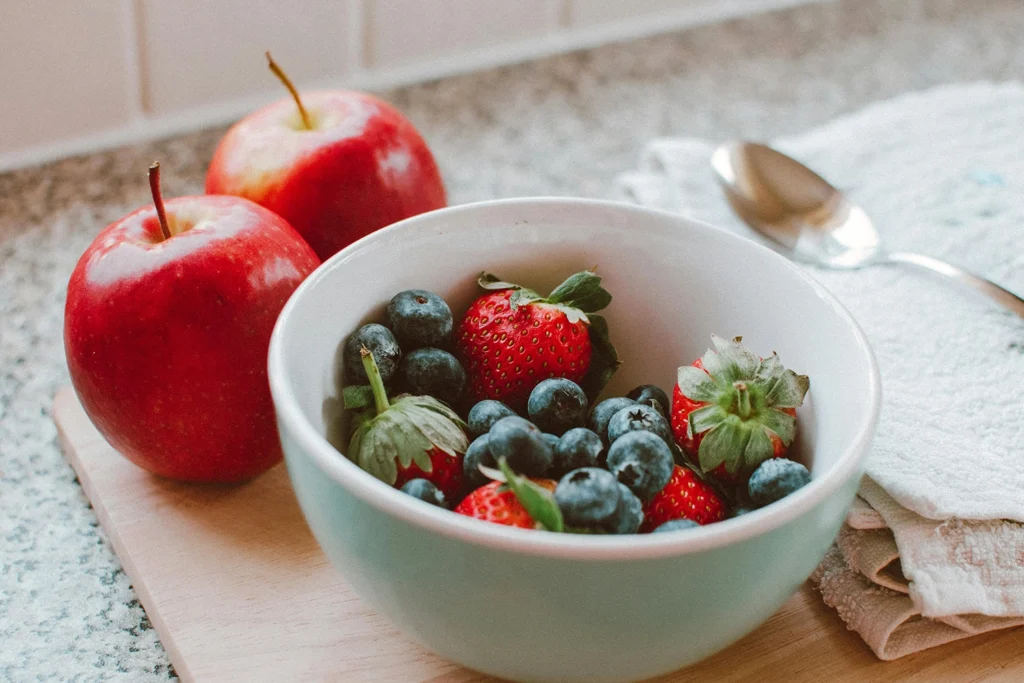
Quercetin is a flavonoid, a type of polyphenol, found naturally in onions, apples, capers, kale, and berries. It’s one of the most abundant dietary antioxidants in the human diet, and it has attracted serious scientific interest for its anti-inflammatory and gut-modulating properties.
The Brain-Gut Connection
When you eat quercetin-rich foods, only a small fraction is absorbed in the proximal small intestine. The majority travels to the end of the small intestine and the colon, where gut bacteria metabolize it into smaller bioactive compounds called phenolic acids. This is where quercetin’s most interesting effects unfold — both locally in the gut and upstream in the brain.
Gut Benefits
- Prebiotic effect. Quercetin feeds beneficial bacteria including Lactobacillus and Bifidobacterium, supporting a healthier microbial balance.
- Strengthens the gut lining. It supports tight junction proteins, helping reduce intestinal permeability, commonly known as “leaky gut”.
- Reduces gut inflammation. Quercetin inhibits NF-κB, a key inflammatory signaling pathway implicated in IBD and other digestive disorders.
- Shifts microbiome composition. Early human and animal studies suggest it may reduce harmful bacterial strains while increasing overall microbial diversity.
Brain Benefits
- Neuroprotective effects against cognitive decline. Once generated by the gut microbes, quercetin’s metabolites cross the blood-brain barrier and have shown neuroprotective activity in brain tissue, potentially reducing neuroinflammation.
- Improved cognition and memory. It supports hippocampal health, which is crucial for memory formation, and improves synaptic plasticity
- Improved mood. Via the brain-gut connection, quercetin’s influence on the microbiome may support serotonin production and signaling — given that more than 90% of the body’s serotonin is made in the gut.
- Reduced neuroinflammation. By lowering systemic and gut inflammation, quercetin may indirectly reduce the inflammatory load that contributes to cognitive decline and mood dysregulation.
- Improved cerebral blood flow.
The Bioavailability “Problem”
Quercetin’s absorption story depends entirely on what benefit you’re after. In the small intestine, only a small fraction of quercetin is absorbed intact into the bloodstream — which matters for systemic effects like reducing inflammation throughout the body. Enhanced formulations like quercetin phytosome or bromelain-paired products are designed to improve this proximal absorption, and they do so reasonably well.
But for gut and microbiome benefits, the picture flips.
The quercetin that isn’t absorbed in the small intestine is the quercetin that reaches the trillions of microbes living in the end of the small intestine and in the colon. There, gut bacteria chew it up into bioactive phenolic compounds, which can easily be absorbed reaching the systemic circulation and the brain. The microbes also use quercetin as food or prebiotic substrate and interact with it in ways that support the gut lining and reduce local inflammation. In other words, both for the gut and particular for the brain, some degree of “poor” absorption of the parent compound is actually of major benefit.
This was considered when developing Synaptic Bloom, Mayer Nutrition’s polyphenol blend with 200mg of standardized quercetin, ensuring that your gut microbes and your brain get the benefits.
Practical Takeaways
- Food first. Onions (especially red), capers, apples, and dark leafy greens are your best natural sources. Aim to incorporate them daily.
- Pair with healthy fats. Eating quercetin-rich foods alongside olive oil or avocado improves absorption.
- Note drug interactions. Quercetin can interact with certain antibiotics and blood thinners. If you’re on medications, check with your doctor before supplementing.
- Bioavailability matters. The bioavailability of quercetin supplements may alter the benefits you’re receiving.
The Bottom Line
Quercetin isn’t magic, but it’s one of the better-studied polyphenols with genuine brain & gut health benefits. Getting it regularly through food is a low-risk, high-reward habit — and for those with poor gut health or at the risk of early cognitive decline, a targeted supplement may be worth considering.
You can learn more about Synaptic Bloom here.

E. Dylan Mayer, MS is a graduate from the University of Colorado at Boulder, with a major in Neuroscience and minor in Business. He also holds a Master’s Degree in Nutrition from Columbia University.
✓ This article was reviewed and approved by Emeran Mayer, MD