Meet Glutathione, the Molecule That Keeps You Young and Resilient
If you’re online and active in the health space of social media, you might think the only way to fight aging and disease is to swallow expensive antioxidant pills, vitamin cocktails, miracle berries, and glowing green powders that promise to ‘neutralize free radicals.’ But here’s a secret: your body has already been manufacturing one of the most powerful antioxidants on the planet since the day you were born. It’s called glutathione, and it quietly works behind the scenes to keep your cells, organs, and even your brain running smoothly.
Earlier in my career, I had the privilege to work with Dr. Neil Kaplowitz, one of the world’s leading authorities on glutathione long before the concept of antioxidants, oxidative stress and detox became household names taken up by social media influencers, ‘biohackers’, and functional medicine experts.
What Exactly Is Glutathione?
Glutathione is a small molecule made of three amino acids – glutamate, cysteine, and glycine. That might sound humble, but together they form the most potent natural antioxidant in the human body. Scientists often call it the ‘master antioxidant’ because it doesn’t just protect cells from damage, it also recycles and recharges other antioxidants like vitamins C and E, keeping the whole system in balance.
Think of glutathione as your body’s internal cleaning crew. Every second, your cells produce energy, and in the process, they create reactive by-products known as free radicals. These unstable molecules can damage DNA, proteins, and fats, a process called oxidative stress. Glutathione patrols the scene like a molecular firefighter, neutralizing these radicals before they cause harm.
Where Does It Work?
Every cell in your body produces glutathione, but it’s especially concentrated in the liver, kidneys, and brain, organs with heavy detox or metabolic duties. The liver uses glutathione to neutralize toxins, pollutants, and even medications, transforming them into harmless compounds that can be excreted. In the brain, glutathione protects delicate neurons from oxidative injury, a major player in neurodegenerative conditions like Alzheimer’s and Parkinson’s disease.
The Recycling Genius
What makes glutathione so special isn’t just its power, but its efficiency. When it neutralizes a free radical, it becomes temporarily ‘oxidized’ itself, but it doesn’t stop there. Through an elegant recycling system your body restores it to its active form using a small donation of electrons from another energy-related molecule. This closed-loop system means one molecule of glutathione can neutralize many free radicals over and over again.
Can You Run Out of Glutathione?
Yes, and that’s where trouble starts. Chronic stress, poor diet, pollution, alcohol, certain medications, infections, and aging all deplete glutathione stores. When levels drop, your cells lose resilience, and oxidative stress rises. Over time, this imbalance contributes to chronic inflammation, mitochondrial dysfunction, and accelerated aging. Low glutathione has been linked to conditions as diverse as cardiovascular disease, liver failure, diabetes, neurodegeneration, and chronic fatigue.
But here’s the good news: your body can make more of it naturally, as long as you give it the raw materials and the right conditions.
Feeding the System: How to Boost Glutathione Naturally
Instead of reaching for a new supplement on your supermarket shelf, you can support your body’s own glutathione production through food, lifestyle, and smart habits. Here are a few examples.
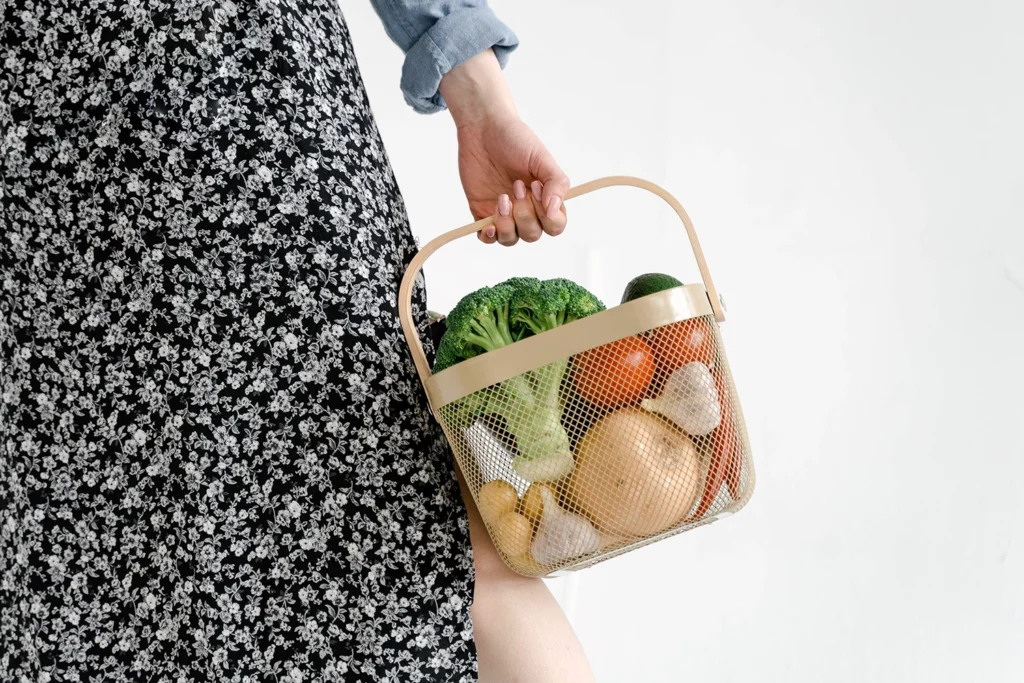
- Eat sulfur-rich foods. Cysteine, the key ingredient in glutathione, is a sulfur-containing amino acid. Foods like garlic, onions, broccoli, kale, cauliflower, and Brussels sprouts (members of the cruciferous family) are excellent natural sources. These vegetables not only supply sulfur but also activate genes that turn on your body’s detox and antioxidant systems.
- Get enough protein. Glutathione is built from amino acids, so a diet with sufficient lean protein, fish, eggs, legumes, nuts, seeds, is essential. Vegan diets can also support production when they include diverse plant proteins and enough vitamin B12.
- Support the helpers. Your body needs certain nutrients to make and recycle glutathione:
- Vitamin B2 (riboflavin) – helps convert oxidized glutathione back to its active form.
- Selenium – a cofactor for the enzyme glutathione peroxidase, which uses glutathione to neutralize hydrogen peroxide.
- Magnesium and zinc – important for enzyme activity and cellular energy.
- Alpha-lipoic acid and N-acetyl-cysteine (NAC) – dietary compounds that can gently raise glutathione levels by supplying cysteine precursors.
- Regular moderate exercise boosts glutathione production and enhances your cells’ natural defenses. Intense, unaccustomed exercise, such as running ultramarathons or triathlons, on the other hand which put a severe stress on your body’s homeostatic systems, can temporarily increase oxidative stress and deplete it, so balance is key.
- Manage stress and sleep well. Chronic psychological stress, sleep deprivation, and chronic inflammation all drain glutathione stores. Meditation, deep breathing, and consistent sleep patterns are more powerful ‘antioxidant strategies’ than most supplement pills.
The supplement industry loves to scare you about ‘oxidative damage.’ Walk down any health aisle and you’ll find countless products claiming to fight free radicals and ‘boost your antioxidant defenses.’ But most of these claims are oversimplified, or outright misleading. Here’s why:
Antioxidants don’t automatically neutralize free radicals wherever they go. They have to reach the right tissues, survive digestion, and enter cells. Many supplements, especially oral forms of glutathione, are broken down in the gut long before they can do their job.
On the other hand, many supplements promoted as powerful antioxidants, like polyphenols or certain natural compounds like turmeric may have antioxidant properties in a test tube, but in humans, cannot be absorbed in the small intestine due to their large size.
This means they are not contributing to the antioxidant pool in the body, but have to be broken down by the gut microbiome in the distal small intestine, and in the large intestine before the smaller breakdown products can be absorbed.
These smaller breakdown products are what makes polyphenols so beneficial to our bodies, and although they are often confused for antioxidants online, are why they are the theme of Mayer Nutrition.
The Redox Balance Paradox
Your body actually needs a certain amount of free radicals. They’re not all bad, they act as signaling molecules, helping regulate immune function, kill harmful bacteria, and even trigger beneficial adaptations to exercise. Overloading on antioxidants can blunt these normal physiological processes, sometimes doing more harm than good.
The ‘More Is Better’ Fallacy
Taking large doses of isolated antioxidants can disrupt the body’s finely tuned redox balance. For example, excessive vitamin E or beta-carotene supplementation has failed, or even backfired, in large clinical trials, showing no benefit for cancer or heart disease prevention.
The Body’s Own Intelligence
The supplement industry ignores the fact that evolution didn’t design us to depend on pills for survival. Our cells have built-in systems, like a particular molecular pathway, which turns on hundreds of antioxidant and detox genes when mild stress is detected. Real-world stressors, like exercise, fasting, and metabolites of plant phytochemicals, activate these systems far more effectively than swallowing a capsule.
Oxidative Stress Isn’t the Enemy, It’s a Teacher
We often hear that ‘oxidative stress causes aging.’ That’s only partly true. What matters most is your body’s resilience or ability to respond to that stress. Small amounts of oxidative challenge, like exercise, intermittent fasting, or polyphenols from colorful plants, stimulate glutathione and other protective systems through a process called hormesis. In other words, mild stress makes you stronger.
Should You Ever Take a Glutathione Supplement?
Certain medical situations, such as severe oxidative stress, chronic illness, or liver disease, may benefit from intravenous or liposomal glutathione under medical supervision. However, the best approach is to support the body’s natural production of glutathione through a combination of supplements and diet, as direct oral glutathione is often broken down in the digestive system. N-actylcysteine (NAC) is a common supplement that provides cysteine, a key building block for glutathione. Other supplements and nutrients that can support glutathione levels include selenium, vitamin C, vitamin E, curcumin (from turmeric), and glycine.
But for the great majority of healthy people, your body is fully equipped to make all the glutathione it needs, if you give it the right tools.
Instead of chasing antioxidant pills, avoid excessive alcohol consumption, invest in real food, regular movement, restorative sleep, stress management, and time outdoors. These simple lifestyle factors do more to boost glutathione and protect your cells than any supplement on the market.
Take Home Message
The next time a glossy ad warns that ‘free radicals are destroying your cells,’ take a deep breath and remember your body already has an internal superhero trained to handle them. Its name is glutathione. It doesn’t need rescuing, but it may need support.
Feed it well, move your body, rest your mind, and trust the wisdom of your own biology. Nature already gave you the ultimate antioxidant system, you just have to let it do its job.

Emeran Mayer, MD Is a Distinguished Research Professor in the Departments of Medicine, Physiology and Psychiatry at the David Geffen School of Medicine at UCLA, the Executive Director of the G. Oppenheimer Center for Neurobiology of Stress and Resilience and the Founding Director of the Goodman-Luskin Microbiome Center at UCLA.