PODCAST DIGESTS
Digging deeper into some of our most notable podcasts to explore all of the information in-depth.
LET'S TAKE A DEEP DIVE INTO PODCAST #78
What Really Determines How We Age?
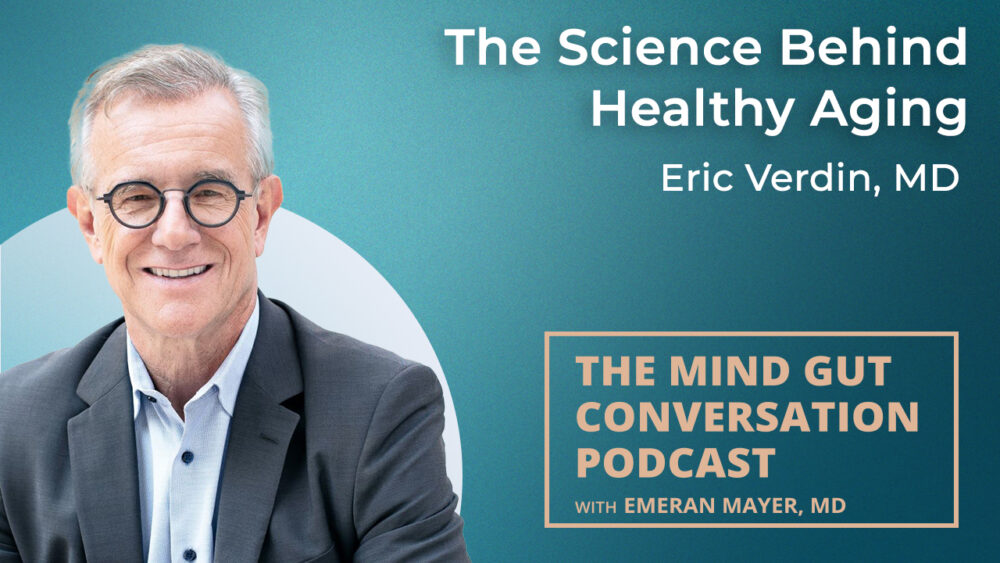
SUMMARY
What if the real goal isn’t to live longer, but to live better for longer?
Much of the conversation around aging is still centered on lifespan. We tend to look for breakthroughs: the next supplement, the next diet, the next scientific discovery that promises to slow the clock. But when you step back and look at the emerging science more carefully, a different picture begins to take shape.
Aging is not controlled by a single pathway or intervention. It is the result of a complex, dynamic system that is continuously shaped by how we live our daily lives.
This creates an interesting tension.
On one side, we are standing at the edge of remarkable scientific advances. New compounds, metabolic therapies, and biological insights are beginning to reshape what may be possible. On the other side, the most powerful influences on how we age remain grounded in something far more familiar: how we eat, how we move, how we sleep, and how we connect with others.
Understanding how these two realities fit together may be one of the most important challenges in modern medicine.
Rethinking Aging: It’s Not About Longevity
I’ve become increasingly uncomfortable with the term longevity.
Living longer, by itself, is not the goal. This is especially true if those additional years are accompanied by chronic disease, cognitive decline, or loss of independence.
What we should be aiming for instead is healthspan. This is the portion of life during which we remain physically capable, cognitively sharp, and emotionally resilient.
This is not just a shift in language. It is a shift in perspective.
It changes how we think about medicine. It reshapes prevention. And it places our daily behaviors at the center of the conversation.
The Quiet Dominance of Lifestyle
One of the most consistent findings in aging research is that lifestyle plays a greater role than genetics for most people.
There are exceptions. Individuals from families with exceptional longevity may carry protective genetic variants. These can provide some resilience against environmental stressors. But for the majority, the trajectory of aging is not fixed.
It is shaped over time.
Despite this, there remains a clear gap between what we know and how we live. The science is not the limiting factor. Implementation is.
Moving Beyond Reductionist Thinking About Diet
In my work on the brain-gut-microbiome axis, I have become increasingly skeptical of reductionist approaches to diet.
We tend to simplify nutrition into binary questions. Is fat good or bad? Are carbohydrates harmful? Which diet is best?
These questions overlook the bigger picture.
From a systems perspective, what matters most is not a single nutrient or dietary rule. It is the overall pattern:
- The diversity of foods consumed
- The degree of processing
- The timing of meals
- The social and emotional context in which food is eaten
If you look at certain cultures, you will find dietary patterns that do not neatly align with conventional definitions of healthy eating. Yet they are associated with favorable health outcomes.
This suggests something important. Food does not act in isolation. It exists within a broader lifestyle that includes regular movement, strong social connections, and relatively low stress around eating.
The Microbiome: Where Lifestyle Becomes Biology
The gut microbiome provides a powerful lens for understanding this connection.
A resilient microbial ecosystem depends on diversity. It requires a wide range of plant fibers, polyphenols, and other naturally occurring compounds. Diets that are repetitive, even if considered healthy, may not support this level of diversity.
Large-scale studies consistently show that individuals who consume a greater variety of plant-based foods tend to have more diverse microbiomes. This diversity is strongly associated with better health outcomes.
In this way, the microbiome acts as an intermediary. It translates dietary patterns into signals that influence inflammation, metabolism, immune function, and even brain health.
The Promise and the Limits of Emerging Interventions
There is no question that the science of aging is advancing rapidly. At the same time, it is important to approach these developments with a balanced perspective.
The Ketogenic Approach
The ketogenic diet offers an interesting example. By significantly reducing carbohydrate intake, it lowers insulin signaling, a pathway closely linked to aging. It also increases the production of ketone bodies such as beta-hydroxybutyrate.
These ketones do more than provide energy. They also act as signaling molecules that may influence inflammation and oxidative stress.
However, there is a practical limitation. Highly restrictive diets are difficult for most people to sustain over time.
Pharmacological Interventions
Compounds such as Rapamycin and NAD+ precursors have generated considerable attention.
In animal studies, the results can be impressive. However, translating these findings into safe and effective long-term strategies for humans is far more complex.
This highlights a broader challenge in biomedical research. Results observed in controlled environments do not always carry over to real-world conditions.
Metabolic Therapies
More recently, medications that target glucose metabolism, such as GLP-1 receptor agonists, have shown wide-ranging effects.
By improving metabolic efficiency and reducing excess body fat, they may influence several pathways associated with aging. These include inflammation, cardiovascular health, and possibly neurodegeneration.
Whether they ultimately qualify as anti-aging therapies remains to be seen. What they do reinforce is the central role of metabolism in the aging process.
Genetics: The Ceiling, Not the Outcome
Recent research has prompted a reassessment of how much genetics contributes to lifespan.
When non-biological causes of death such as accidents and infections are accounted for, intrinsic lifespan appears to be more heritable than previously thought. Current estimates suggest a range of approximately 50 to 55 percent. In individuals who live beyond 100, that contribution may rise even further.
This does not diminish the importance of lifestyle. It clarifies its role.
Genetics may define the ceiling. Lifestyle determines how close you come to reaching it.
The space between those two is where daily behavior exerts its influence. It is expressed through diet, sleep, stress, movement, and social connection.
The Future: Precision and Personalization
One of the limitations of current health recommendations is that they are based on population averages.
Human beings are not average.
Each person represents a unique combination of genetics, environment, microbiome composition, and lived experience. This variability explains why the same intervention can produce very different results in different individuals.
This is the foundation of precision medicine. The goal is to develop personalized strategies based on individual biology, supported by continuous data and predictive modeling.
We are still in the early stages of this transition. However, the direction is clear.
Returning to What Actually Works
Despite the excitement around emerging therapies, the most reliable drivers of healthy aging remain consistent.
From a systems perspective, these factors are deeply interconnected:
- Regular physical activity across strength, endurance, and flexibility
- A diverse, minimally processed diet
- Restorative, high-quality sleep
- Effective stress regulation
- Meaningful social connections
These are not independent variables. They form a network that shapes brain function, immune activity, metabolism, and the gut microbiome.
Final Reflections
We are at a pivotal moment in medicine.
The integration of systems biology, microbiome research, and data-driven approaches is transforming how we understand aging. At the same time, it calls for a measured and thoughtful approach.
There is a natural tendency to seek out new interventions, especially in the form of supplements or off-label therapies. Without strong evidence, these approaches can carry unintended consequences.
For now, the most reliable path forward remains grounded in principles that are both scientifically supported and consistent with human biology.
Aging well is not about chasing the next breakthrough.
It is about consistently supporting the systems that allow the body and brain to function at their best.
FAQ
Is genetics or lifestyle more important?
For most individuals, lifestyle plays the dominant role. Genetics becomes more influential primarily in those with exceptional longevity.
What matters most in diet?
Overall patterns are more important than individual nutrients. Focus on diversity, minimal processing, and consistency.
Are ketogenic diets necessary?
They can provide benefits for some individuals, but they are not essential and may be difficult to sustain.
Do longevity supplements work?
Some show promise in early research, but evidence in humans remains limited.
Are medications like Rapamycin or GLP-1 drugs anti-aging therapies?
They may influence pathways related to aging, but their long-term effects on lifespan are still unclear.
What can I do right now?
Focus on sustainable habits: move regularly, eat a diverse diet, sleep well, manage stress, and stay socially connected.
Should I take supplements?
If you choose to, do so with clear rationale and professional guidance, rather than relying on marketing claims.